
The reason South Korean composite bows, made by mixing 7–8 different materials, are easy to shoot even from horseback
A video from Culture Portal explains the technical advantages of the traditional Korean composite bow…
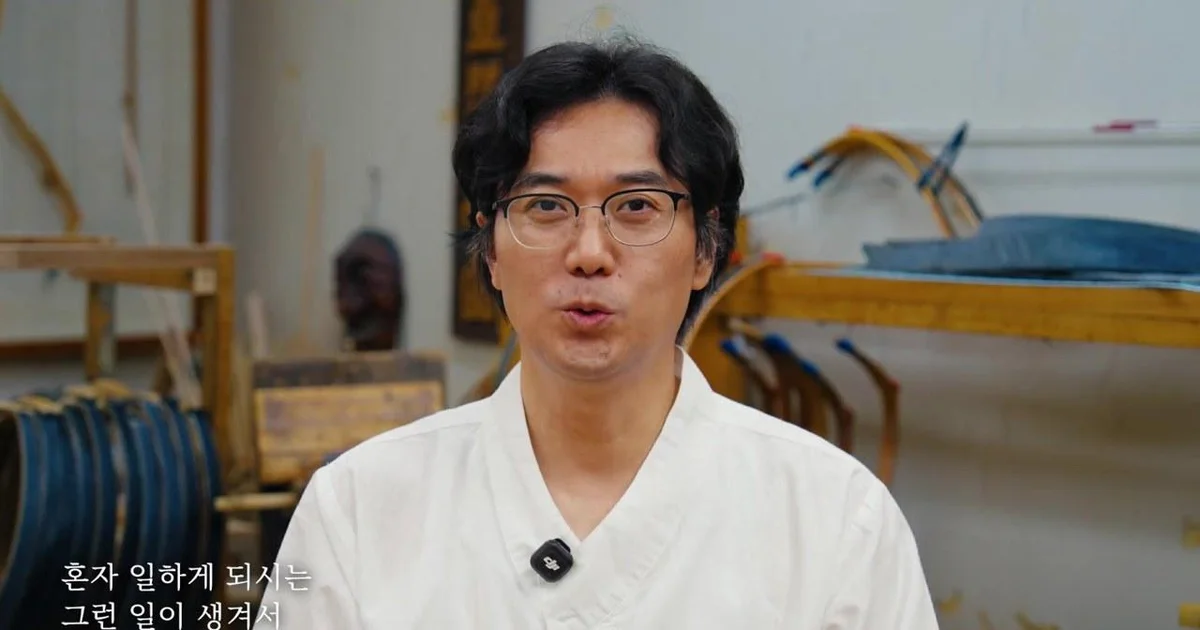
Gukgung, the traditional bow of our country, possesses the characteristics of a 'composite bow (synthetic bow)' made by mixing various materials. According to a video from Culture Portal, Korean bows are not simple forms using only one or two materials, but are manufactured by mixing seven to eight or more different materials. While this method is technically difficult to implement, it has the advantage of being able to increase strength while making the size of the bow smaller.
Small but strong composite bows, technology that secured tactical superiority
The reason traditional bows use multiple materials is due to tactical necessity in the past. The presenter in the video mentions that shooting a bow from horseback was a very important tactic in the past, explaining that a strong yet small-sized bow was essential for this. If only one or two materials were used, a problem could occur where the arrow pierces through the bow when drawn heavily, but the composite bow, which mixes various materials, can overcome these limitations to produce small and powerful performance. The presenter evaluated this as the Korean bow being technically very excellent.
Korea's archery culture has maintained its lineage through thousands of years. Especially during the Joseon era, archery was considered very important, so many archery ranges remain nationwide, allowing this tradition to continue uninterrupted to the present day. The presenter emphasized this historical continuity, stating, "There are not many countries where the lineage of our country's traditional archery culture has continued straight without ever being broken."
A sense of mission to preserve tradition amidst modernized sports archery
In modern times, archery has established itself as a sport enjoyed by many, expanding its base. However, the presenter also expressed regret regarding this change. While it is positive that many people can easily encounter archery as it becomes a sport, they conveyed concerns that the original form of Korean bows or the traditional archery culture could be diluted in the process.
Coming from a bow-making village in Yecheon, North Gyeongsang Province, and following in his father's footsteps to make bows in Bucheon, the presenter revealed a sense of mission to carry on the traditional technology. He said, "Our country's traditional bow itself is truly art and a beautiful and wonderful bow," expressing his thoughts and responsibility to pass this technology down to outstanding disciples so that traditional bow-making technology can continue without interruption.
Comments 0