
Jean-Jacques Sempé Exhibition: Why It Captures the Daily Lives of Small People in a Giant World
The exhibition "Bonjour, Jean-Jacques Sempé: A Gaze That Drew the World" is currently being held at MY ART MUSEUM One Grove…
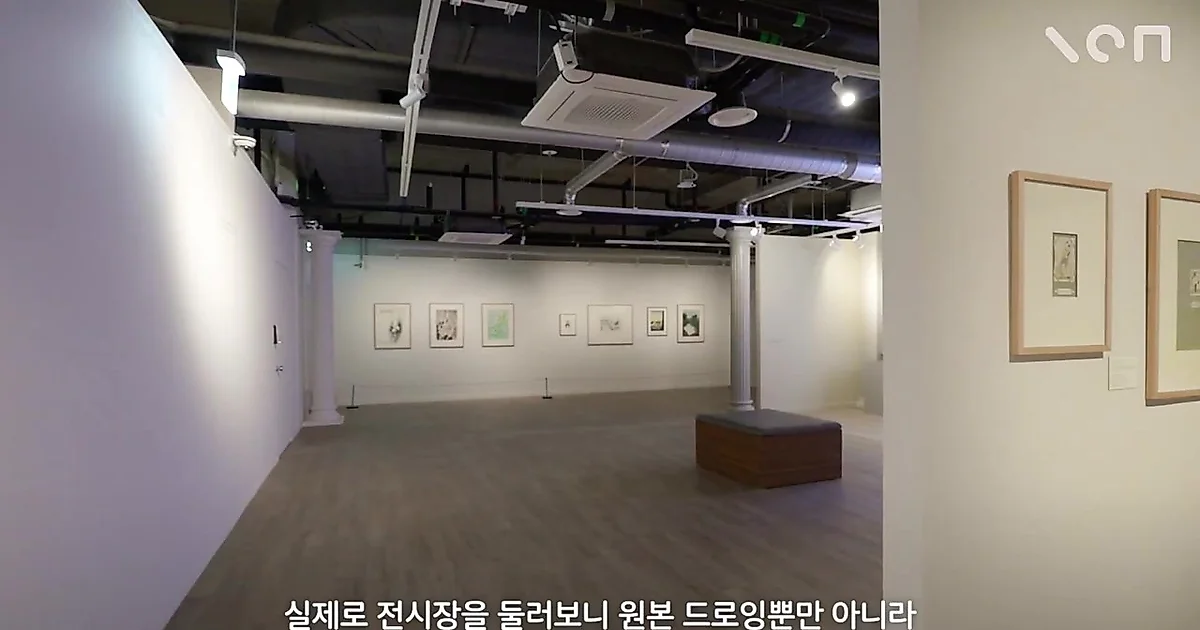
The exhibition "Bonjour, Jean-Jacques Sempé: A Gaze That Drew the World," which illuminates the artistic world of the representative French illustration master Jean-Jacques Sempé, is being held at MY ART MUSEUM One Grove. This exhibition presents various moments of life that the artist has drawn throughout his lifetime through approximately 130 original works and archives.
'A Story for Us All' Drawn with Thin Lines and Watercolors
According to the Culture and Art for You video, Jean-Jacques Sempé's drawings mainly use a few thin lines and lightly spreading watercolor expressions instead of flashy techniques. In his works, figures are drawn very small compared to giant cities or vast landscapes, which projects the appearance of ordinary people living their own daily lives within a massive world.
The artist wittily captures quirky and trivial moments of daily life, such as people smiling while watching a fire at a firecracker shop. Thanks to these characteristics, viewers feel a sense of empathy, thinking, "I'm like that too," while looking at his drawings. In particular, the picture book 〈Le Petit Nicolas〉, which has sold over 20 million copies worldwide, has been loved for a long time, reminding children of daily life and adults of childhood memories. The artist captured happy moments he dreamed of in this work, which are slightly different from his actual childhood.
From The New Yorker Covers to the Artist's Tools, All in One Place
Jean-Jacques Sempé is an artist with global influence, having graced the covers of the world-renowned magazine The New Yorker more than 100 times. In this exhibition, you can directly see the original works used on the actual magazine covers. The reason his work is loved across borders is that even if languages and places of residence differ, the way humans live is similar.
In the exhibition hall, in addition to the original works, various materials are provided to take a deep look into the person known as Jean-Jacques Sempé. From photos capturing his witty side to the scenery of the artist's studio and the actual tools he used, various items are displayed to help understand the artist's artistic world in three dimensions. In the original works encountered up close, one can vividly feel the fine pencil lines, traces of ink, and the colors of watercolors that could not be seen in printed materials.
Experiential elements for visitors are also prepared. Visitors can enjoy an experience of punching the leaflet received upon entry to make it into a stamp shape, and after viewing the exhibition, they can encounter items containing the artist's sensibility, such as posters and postcards, through the art shop. This exhibition continues until January 3, 2027.

![[How to Write a Jibang] The ancestral tablet burned after every rite: Is writing only “Hyeongo…](https://img.famtimes.co.kr/famtimes/2026/09/969b1e30-55e6-4e39-b36a-2d952695ebd3-72e50f8d-thumb.webp)
Comments 0