
What is tsuyu (soy-sauce-and-dashi seasoning)? Differences from soy sauce, how to use for noodles, and checking dilution ratios
Tsuyu (soy-sauce-and-dashi seasoning) is a Japanese seasoning that combines soy sauce with dashi and sweetness. Dilution ratios vary by product and purpose
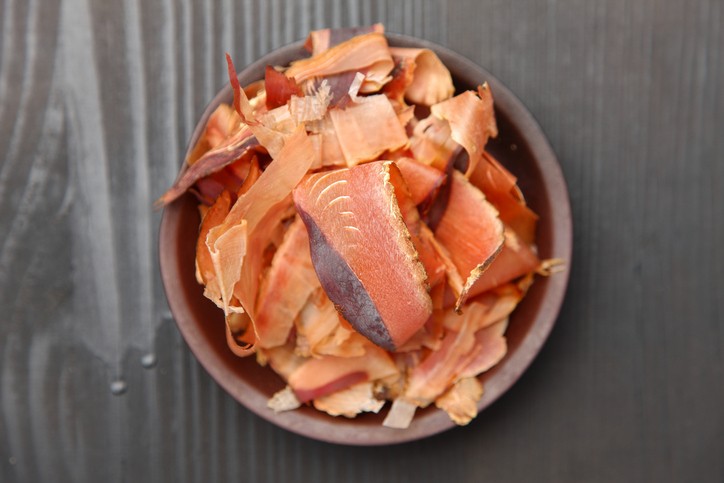
Tsuyu (soy-sauce-and-dashi seasoning) is a Japanese seasoning liquid that adds the flavor of dashi, such as bonito flakes or kelp, and sweetness to soy sauce. It is used as a dipping sauce for noodles or in broths, and the dashi ingredients and concentration vary by commercial product. For example, Kikkoman's 'Koi-dashi Hon-tsuyu' is a concentrated product that combines various fish flakes, kelp dashi, soy sauce, and sugar. Kikkoman product description
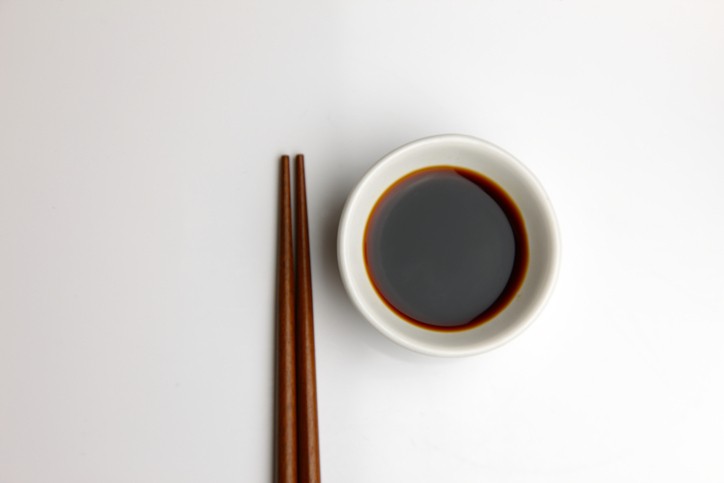
How is tsuyu (soy-sauce-and-dashi seasoning) different from soy sauce?
Thinking of tsuyu (soy-sauce-and-dashi seasoning) as simply another name for soy sauce can cause confusion when cooking. Because tsuyu contains both dashi and sweetness, its flavor profile differs from that of soy sauce alone. There is also a dashi-infused soy sauce called 'dashi shoyu.' Kikkoman explains that men-tsuyu is generally sweeter and diluted according to the dish, whereas its dashi shoyu is comparatively less sweet and suitable for pouring directly over food or using as a dipping sauce. Comparison of Kikkoman's men-tsuyu and dashishoyu
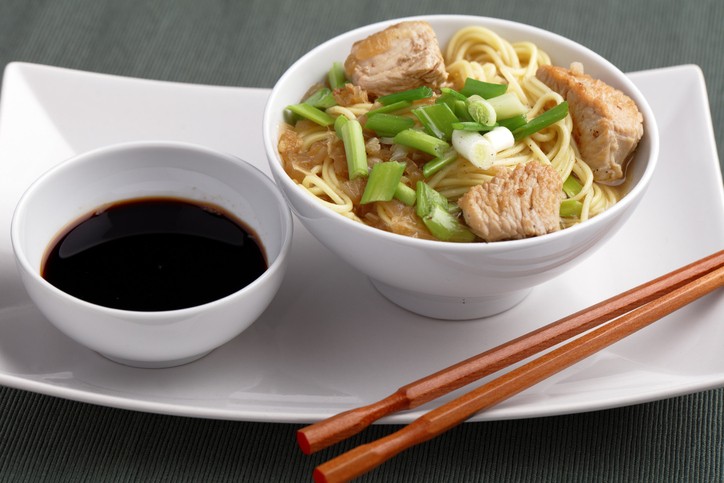
How much water should you add?
Do not apply the same ratio to all dishes based solely on the concentration multiplier written on the bottle; first, check the product's usage instructions for 'dipping noodles' or 'broth.' For example, manufacturer Yamaki suggests that when making approximately 80mL of dipping sauce using its 2x concentrated men-tsuyu, one should mix 40mL of tsuyu (soy-sauce-and-dashi seasoning) with 40mL of water. This is an example for that specific product and purpose, not a universal ratio applicable to other products or soup dishes. Yamaki product FAQ
When using it for purposes other than noodle sauce, follow the ratios for each dish written on the product. Checking the saltiness and sweetness already included before adding extra soy sauce or sugar makes it easier to adjust the concentration.
[Fam Times = Reporter Kim Nam-jun]
Editorial Update (2026-09-11): The description of tsuyu (soy-sauce-and-dashi seasoning) and the dilution instructions were revised after consulting materials published by the manufacturer, and reference links were added. The original publication date was retained.
FAM타임스 명의로 발행된 기사를 모아 제공하는 매체 공용 저자 페이지입니다.


Comments 0