
Minimal Life in Your 50s: Why They No Longer Buy Sale Items or Pretty Kitchenware
A person in their 50s who has practiced minimal living for several years shares a list of 10 items they no longer purchase and their changed consumption…
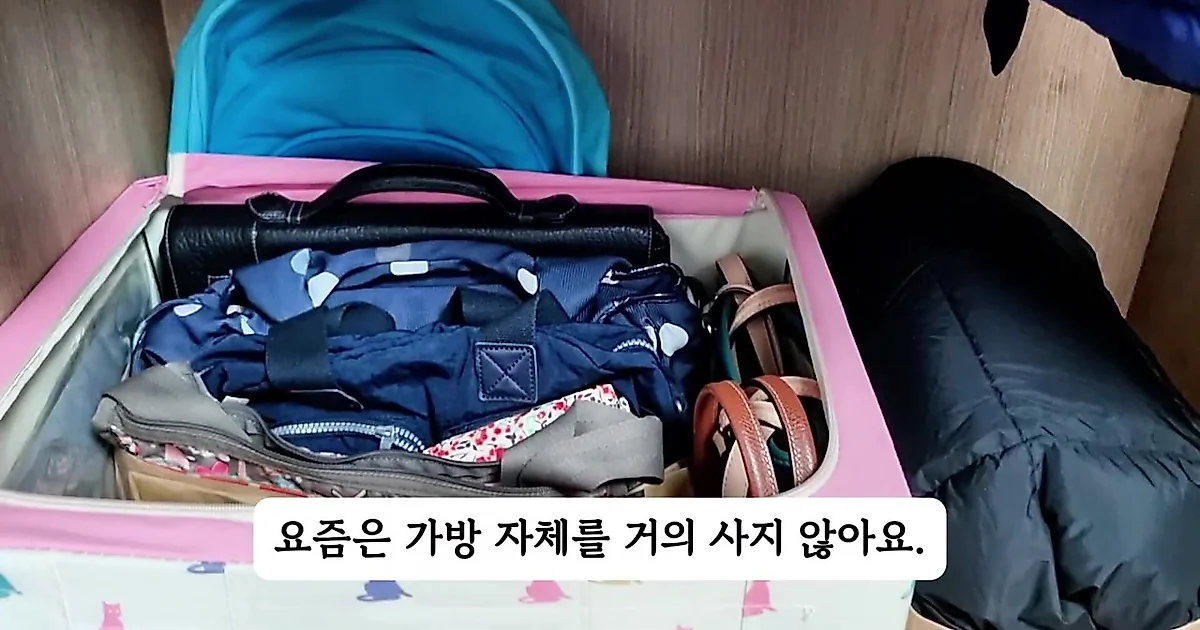
As important as emptying out belongings is not bringing unnecessary items into the home in the first place. According to a video from 'Kkumma_Saenghwal Kkultip', a participant who entered their 50s and has practiced minimal living for several years shared a list of 10 items they no longer purchase compared to the past, along with their changed consumption standards.
Prioritizing Convenience over Design, Emptying over Storage
In the past, they often purchased items drawn by sale items or pretty designs, but now they prioritize practicality and ease of maintenance above all else. The video revealed that they almost never buy clothes bought because they were cheap, kitchenware bought because it was pretty, or storage items bought to organize things. They emphasized that clothes bought because they were on sale ultimately do not get used often, and no matter how cheap they are, if you do not wear them, you have not saved money. Regarding shoes, instead of buying dress shoes based only on design, they choose shoes that are comfortable and can be worn frequently, reducing consumption by keeping only one pair of dress shoes for events such as weddings.
The standards for bags and kitchenware have also become clear. For bags, they value weight more than design or price, so they do not buy heavy bags and instead utilize light and comfortable bags they already have at home. For kitchenware, rather than buying new pretty dishes or cups, they focus on using items that are familiar to their hands and used frequently every day. In the case of storage items, they changed their organization method to empty items first, following the principle that one should not buy storage bins to hold things, but rather empty things before storing them.
Similar to Gaining One More Task to Manage Rather Than Just One Item
The management costs and space occupancy issues that arise as the number of items increases have also become major reasons for refusing purchases. Regarding small appliances, they stated they have not purchased any in the last 5 years because if the frequency of use is low, it takes energy to store and clean them, and costs are incurred when disposing of them. For flowerpots, since they require continuous management such as watering, repotting, and managing nutrients, they said that a flowerpot is not just one item, but is similar to gaining one more task to manage; thus, they focus on growing existing plants well rather than bringing in new plants.
They also showed a changed attitude toward furniture and travel souvenirs. Rather than adding furniture to fill empty spaces, they chose the comfort provided by emptiness, and instead of souvenirs from travel destinations, they chose to leave behind photos and experiences. Ultimately, the thing the participant identified as the most important to guard against is 'items bought because they are cheap.' Buying unnecessary items, no matter how cheap they are, is spending money, and the core of minimal life is not being swayed by sale or "one plus one" (1+1) labels, but first considering whether the item is truly necessary and whether it can be managed.
Comments 0