
Gapyeong's Yongchu Valley Reopens for Trekking 2 Years After Flood Damage
The Yongchu Valley trekking course in Gapyeong, Gyeonggi-do, which suffered severe damage from floods, has reopened to the public.
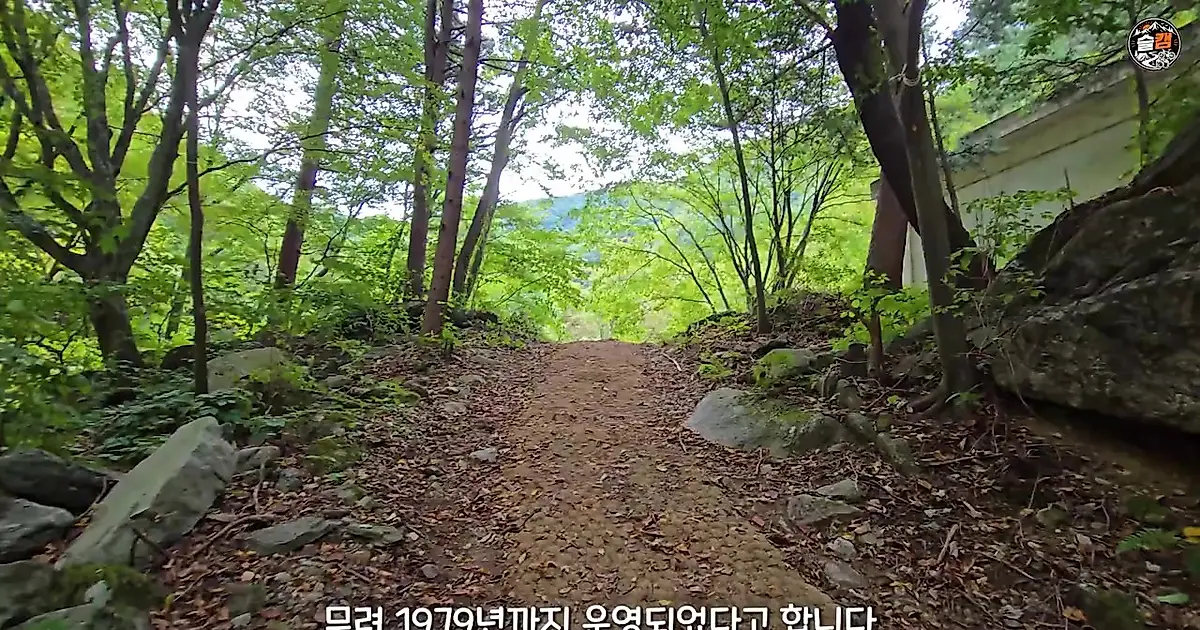
The Yongchu Valley trekking course in Gapyeong, Gyeonggi-do, which suffered the worst flood damage, has reopened. According to a video from the YouTube channel 'Wise Camping Life', Yongchu Valley has revealed itself to citizens again as of September 12 after numerous recovery efforts. This video captures the process of visiting the best valley trekking course in the metropolitan area, which has been revived after 2 years, using public transportation.
From Yongsan Station to Gapyeong Station, a Day Trip via Public Transportation
This trip can be conveniently started using the ITX-Cheongchun train departing from Yongsan Station. While the ITX-Cheongchun train usually departs from Cheongnyangni Station, it also departs from Yongsan Station at certain times, offering good accessibility. The presenter in the video used the 2nd-floor seats, which offer good views, and arrived at Gapyeong Station in Gyeonggi-do in about 1 hour. The 2nd-floor carriage does not have overhead luggage racks, but there is space to place separate luggage, and it is more spacious than the standard seats. Using the train has the advantage of allowing planned time management without traffic congestion.
Upon arriving at Gapyeong Station, you must pass the plaza in front of the station and transfer to a rural bus at a small bus stop. Recently, large cafes and commercial facilities have been established in front of Gapyeong Station, and restaurants have appeared, making it more convenient to use than before. The available bus is number 71-4, and since the interval is approximately one bus every 2 hours, it is important to plan in advance to match the train schedule. After riding the bus for about 20 to 30 minutes, you will arrive at the bus terminus. At the bus terminus, there is a side path leading to the Sound Trail, and the starting point of the Sound Trail is located at the Provincial Park stop, about 2.5km before the terminus.
Current Status of Yongchu Valley Recovery, Preserving Traces of Flood Damage
Yongchu Valley, which begins at the bus terminus, is a place that suffered serious casualties and property damage due to the worst heavy rain in history just a year ago. At the entrance of the valley, the last free parking lot and restrooms are provided, and there is a private paid parking lot opposite. Although the valley has reopened, recovery work is continuing in various places to prevent the recurrence of the same damage. The downstream part of the valley is filled with large and small stones and rocks that were washed down, so it is expected to take a few more years for the terrain to flatten.
During the trek, traces that allow one to guess the urgent situation at that time are also discovered. There are spots marking the flooded water levels, and destroyed bridges where the bridge railings were bent like chopsticks due to overflowing water and sediment. In particular, the Naenggol spot, where a cool chill flows, is a place where the decks and shelters disappeared without a trace, showing the situation where the entire valley was submerged at the time. This is Tagyeongnae, the 3rd valley among the Yongchu Gugok, and is also a place steeped in the legend that the Dragon Maiden, the wife of Dangun, caused the water to overflow to defeat the enemy.
Upper Sections Preserving Nature and Trekking Points
As you go up to the upper reaches of the valley, the flood damage is relatively less, and it well preserves its old appearance. The Yongchu Gugok resembles the appearance of a dragon winding through the mountains, and as you go upstream, the sound of water becomes even more thunderous. The site of the slash-and-burn farmers' houses, where 300 households lived in the past, is currently being restored into a natural ecological park, and only stone walls remain now to convey the old traces. The destroyed bridges have been neatly restored, and the distance and time required to reach the bus terminus are marked at intervals along the path, which is useful for walkers.
The Yeoninsan Premium Valley Trail continues in the upper section, and shelters where you can enjoy wonderful valleys passing between rock walls and the cool sound of water are provided in various places. In this recovery process, there are sections using huge rocks to make stone seats and sections with real sword bridges, allowing one to feel the charm of valley trekking. As you go upstream, points where you can dip your feet in the clean valley water continue, and first-aid kits are installed in various places. Thanks to the lack of people for a year, you can enjoy the peaceful scenery of nature as it is, such as meeting squirrels.

Comments 0