
How Local Culture Archivists at Sejong's Dadam Village Records and Culture Center Record Village Stories
Local culture archivists at the Dadam Village Records and Culture Center in Sejong City are working to preserve regional history and identity by collecting…
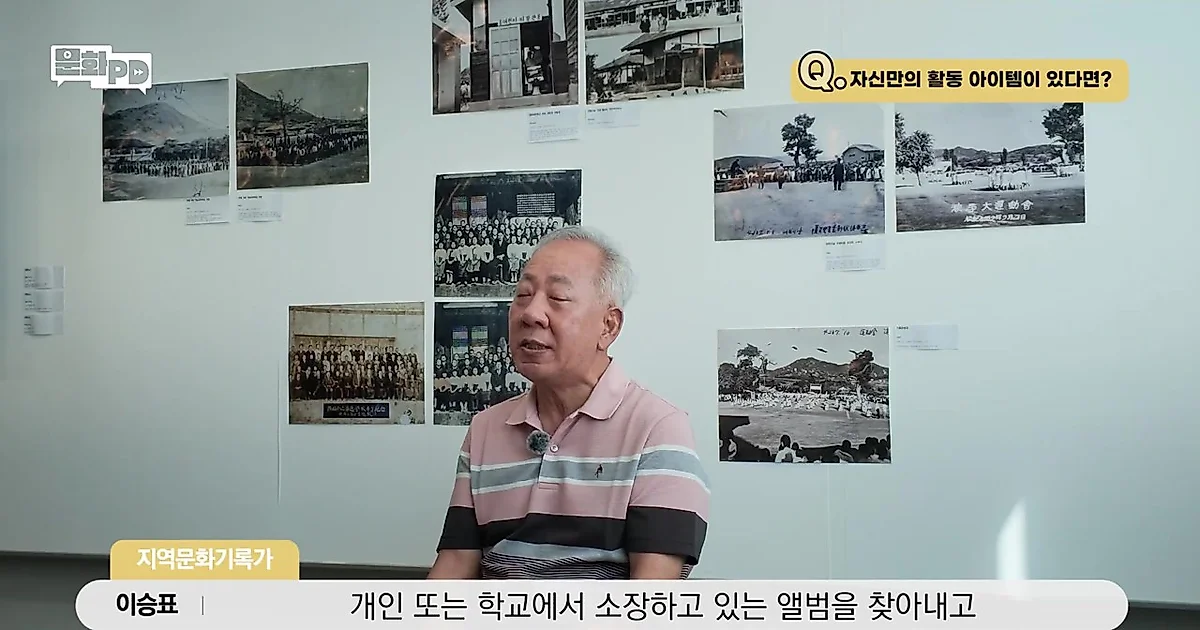
At the Dadam Village Records and Culture Center located in Sejong City, people are active in recording regional history and culture to pass down identity to the next generation. According to a Culture Portal video, this is an open archive designed so that anyone can view records related to Sejong's local culture and village stories. The exhibition hall features miniatures recreating Nepa Station, Yeondong Post Office, and Yeondong Police Box, and it operates resident lounge spaces, a recording room, and a communication room.
From ordinary neighbors to archivists collecting regional history
The local culture archivists active here are individuals who have traced different life trajectories. The participants in the video previously worked as ordinary housewives or administrative managers who had been in the teaching profession for a long time, but they currently perform the common role of gathering the village's memories. They travel throughout Sejong City to collect hidden village stories, spontaneously formed community cultures, and oral records from the elderly.
The archivists do not stop at simply gathering materials; they place great importance on the process of persuading residents to donate or lend precious materials. Collected materials are managed through digitization as well as recording so they can be preserved for a long time. In particular, school albums are utilized as important recording assets. This is because school history halls or albums held by individuals contain not only scenes of school trips and sports days but also the historical context of the time, such as the educational priorities emphasized by the Office of Education at that time.
Persistence and a sense of mission to hold onto the vanishing memories of the village
Voices suggest that to work as a local culture archivist, one needs the persistence to track down materials to the end and the confidence to do so. A participant shared that they feel rewarded when reports they have compiled after finding meaningful materials are understood and praised by others. On the other hand, they also feel heartbroken when facing materials that are disappearing because systematic organization or storage has not taken place.
Awareness regarding the preservation of protected trees, which are symbolic existences of the village, was also mentioned. The video points out that although there is one protected tree in Yeondong-myeon, there are no records regarding it at all. It emphasizes that the disappearance of a protected tree due to indiscriminate development or indifference is not merely losing a single tree, but is equivalent to losing the history and memory of the land forever. Archivists perform the role of leaving ordinary daily life as regional history to connect the past and present and to pass it on to future generations.

![[How to Write a Jibang] The ancestral tablet burned after every rite: Is writing only “Hyeongo…](https://img.famtimes.co.kr/famtimes/2026/09/969b1e30-55e6-4e39-b36a-2d952695ebd3-72e50f8d-thumb.webp)

Comments 0