
“Princess Hwahyeop’s Final Adornment” Reveals Joseon-Era Cosmetics, “Similar” to Those Used Today
EBS revealed Princess Hwahyeop’s Joseon-era skincare and makeup, including miansu, myeon-yak, baekbun and yeonji.
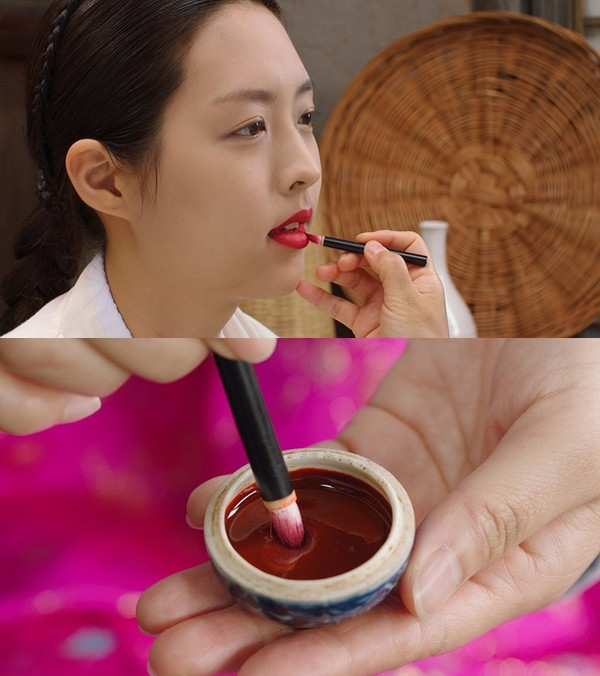
“Princess Hwahyeop’s Final Adornment” revealed cosmetics from the Joseon era.
On the 16th, EBS aired “Princess Hwahyeop’s Final Adornment” as a special program. It introduced the history of Korean makeup, from the cosmetics and makeup techniques of the Joseon era 270 years ago to today’s K-beauty.
Princess Hwahyeop was the seventh daughter of King Yeongjo of Joseon and the second daughter among Royal Noble Consort Yeongbin Yi’s one son and three daughters. Princess Hwahyeop, whose younger full brother was Crown Prince Sado, was reportedly renowned for her beauty, which she inherited from her mother, Royal Noble Consort Yeongbin Yi.
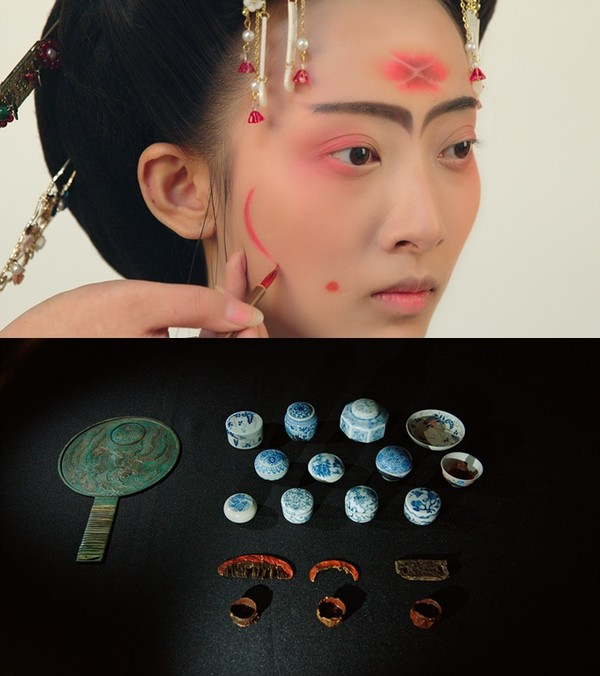
Princess Hwahyeop reportedly died at the young age of 20 without leaving any descendants. Her full siblings, Princess Hwapyeong and Crown Prince Sado, also died young, at the ages of 22 and 28, respectively.
The reason Princess Hwahyeop symbolizes the history of K-beauty can be found in her tomb. Her tomb was discovered in Namyangju in December 2016. An excavated memorial stone reportedly bore an inscription by her father, King Yeongjo, expressing his grief for the daughter who had died before him at a young age. A stone box excavated alongside it was also reportedly found to contain objects believed to be cosmetics.
According to “Princess Hwahyeop’s Final Adornment,” Joseon-era women first applied miansu, made from plant-based ingredients and comparable to a modern toner, before putting on makeup. They then applied myeon-yak, which served the roles of essence and cream, to create a moisturized complexion.
Baekbun was used to whiten the face. It was made with rice flour and lead. Yeonji, used to add red color to the cheeks and lips, was made from honghap flowers.
An expert explained, “Joseon-era makeup emphasized a naturally subtle look. Because natural makeup that did not alter the skin tone was valued, medical texts from the Joseon era such as Donguibogam and the Gyuhap Chongseo, an encyclopedia for women, contain many descriptions of cosmetic-making methods and ingredients.”
FAM타임스 명의로 발행된 기사를 모아 제공하는 매체 공용 저자 페이지입니다.
![[How to Write a Jibang] The ancestral tablet burned after every rite: Is writing only “Hyeongo…](https://img.famtimes.co.kr/famtimes/2026/09/969b1e30-55e6-4e39-b36a-2d952695ebd3-72e50f8d-thumb.webp)

Comments 0