
Did Pizza Originate in Italy? A Look at the Many Pizzas Around the World
Explore pizza's debated origins, regional varieties, unusual global toppings, crust styles, pizzeria history, and evolution in the United States.
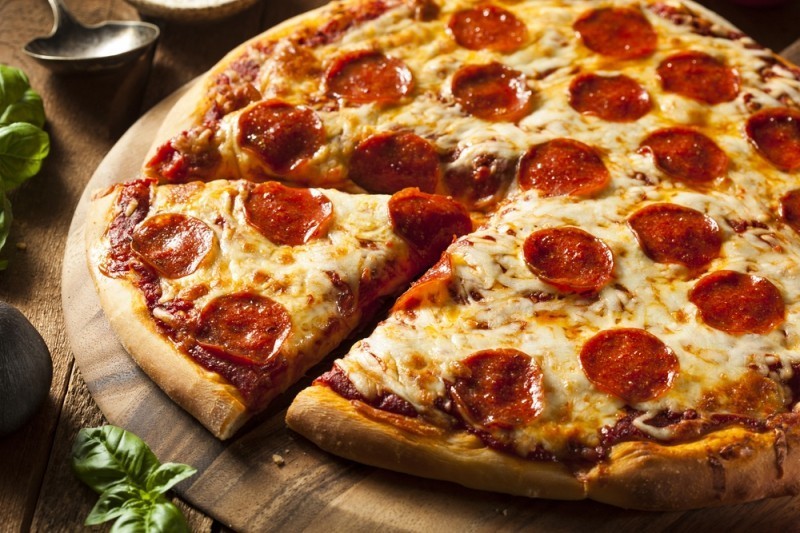
Pizza comes in many forms across different countries and cultures. Italian pizza is the version most familiar to us, and we recognize it as a modern reinterpretation of an Italian classic. Yet Provence's pissaladière, Catalonia's coca, Turkey's pide, and the Middle East's lahmacun also bear a striking resemblance to pizza.
Common Pizza Ingredients
There are too many varieties of pizza to list, with a vast array of distinctive toppings. Even so, most pizzas are based on tomatoes, tomato sauce, cheese, herbs, vegetables, and meat. Of course, there are also many unusual pizzas that go beyond these basic ingredients. Pizzas made with exotic ingredients unavailable elsewhere can seem particularly unfamiliar, and these are usually local varieties. Making pizza with locally available ingredients has become a perfectly natural form of variation. Some people go even further, creating imaginative pizzas at home and proudly sharing their recipes.
Perhaps for this reason, ideas for pizza ingredients have recently become increasingly extraordinary. Besides chocolate, there are pizzas topped with sweet desserts, pizzas piled high with burger patties, and vegan pizzas made entirely with vegetables.
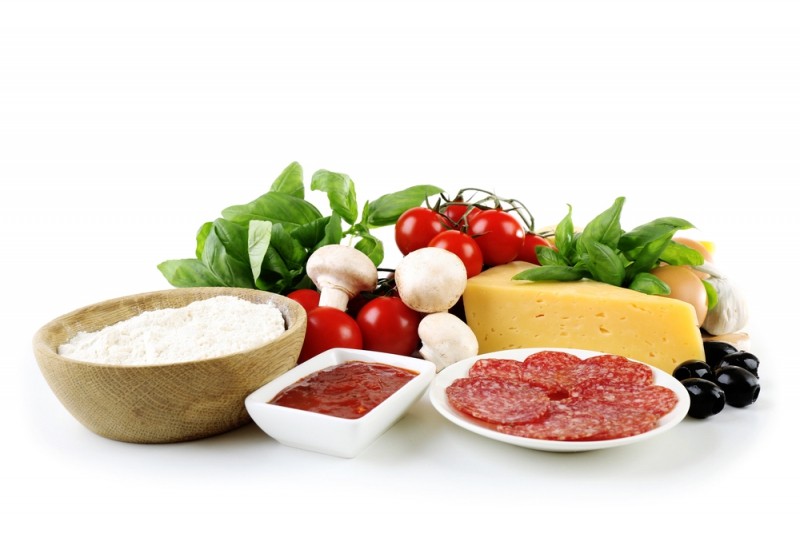
Neapolitan pizza, which originated in Naples, Italy, is protected as part of the world's culinary heritage under European law and is therefore subject to very strict standards. Its basic ingredients are San Marzano tomatoes, mozzarella di bufala or fior di latte mozzarella, basil, olive oil, natural Neapolitan yeast, and strong, high-protein flour. Its three varieties are marinara, Margherita, and Margherita Extra.
Lazio pizza originated in Rome and became popular throughout Italy. Rather than being round, it is rectangular or oval and features a thin crust. Its most notable varieties include pizza romana, Vienna, capricciosa, quattro stagioni, quattro formaggi, Sicilian, white, ripieno, and mezzogiorno.
No discussion of pizza would be complete without American-style pizza, which enjoys explosive popularity worldwide. Familiar examples include New York-style thin-crust pizza, twice-baked Detroit-style pizza, and Chicago deep-dish pizza.
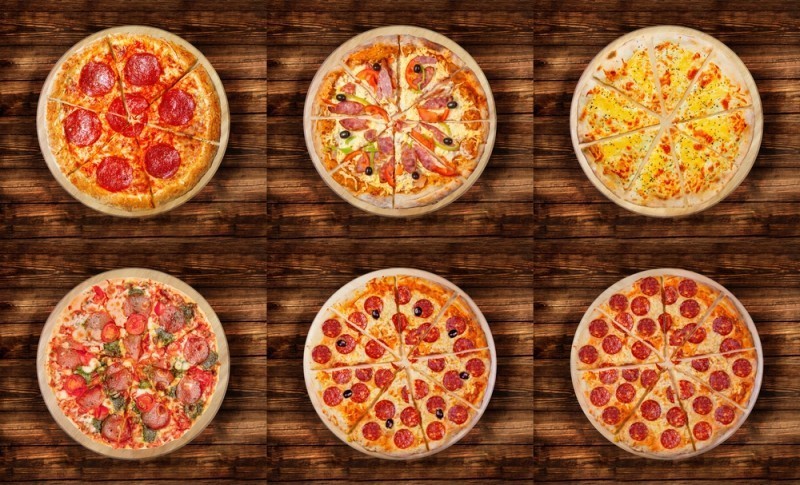
Australian pizza, for example, boasts distinctive flavors by adding exotic ingredients such as salmon, shrimp, kangaroo meat, emu, and crocodile meat. Indian toppings include tandoori chicken and paneer cheese. Beyond such local ingredients, there are also somewhat unfamiliar combinations, such as chocolate pizza topped with marshmallows, peanut butter, and candy.
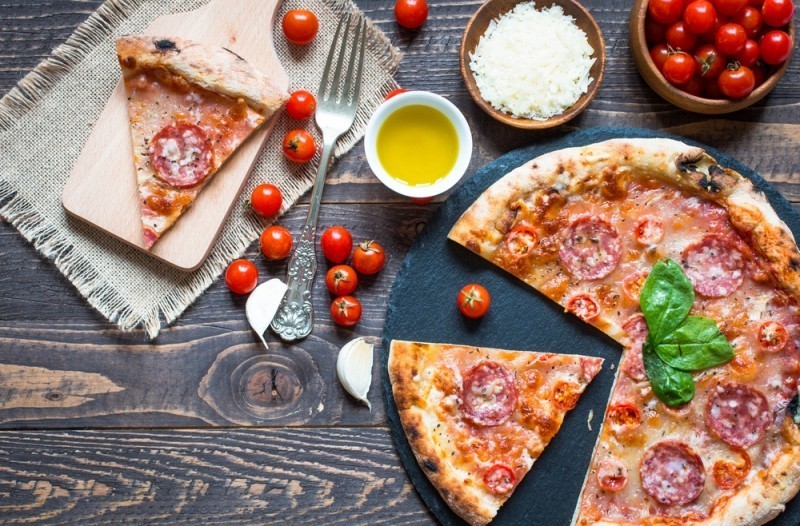
The most notable crust types include New York-style thin crust and Chicago deep dish. The thick yet light crust of Neapolitan pizza and the thick, hearty crust of Sicilian-style pizza are equally remarkable. Pizza crust, however, can readily be made from something other than traditional pizza dough, as seen in pizzas made with flatbread, bagels, and crusts containing other ingredients.
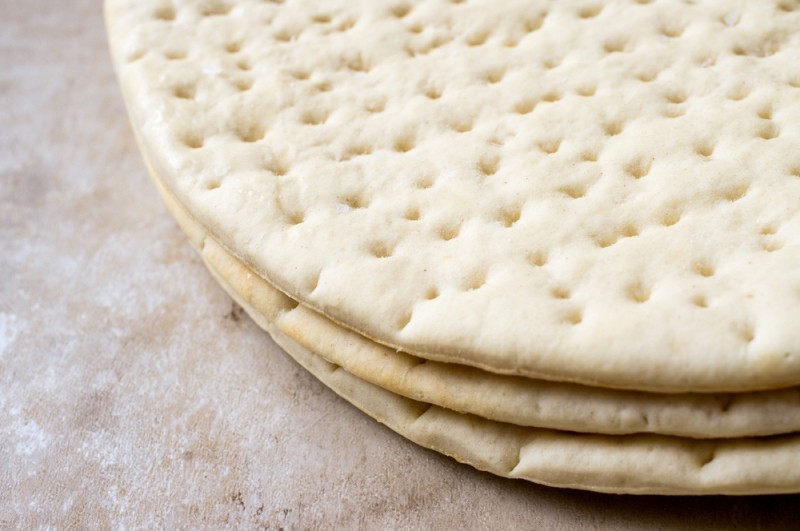
Pizza subsequently spread widely to other countries, even sparking a worldwide boom in fast-food pizza restaurants. Pizza, once made by hand, came to be mass-produced extensively in many regions of different countries, and numerous varieties were sold at fast-food restaurants. These days, however, people are showing an increasingly clear preference for handmade pizza over this approach.
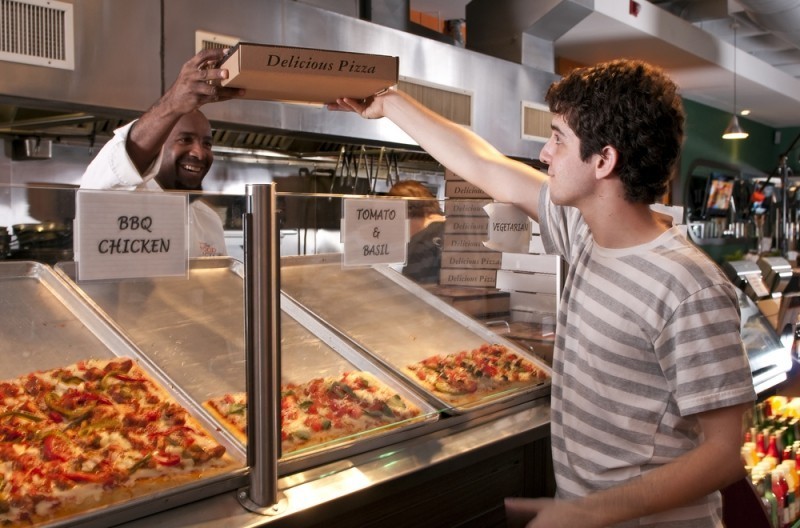
According to an encyclopedia of food culture, Italian immigrants brought the pizza they loved so much to the United States and began selling classic Italian food to make a living. After all, food is a good way to ease homesickness in a foreign land.
After World War II, the once-simple Neapolitan pizza underwent a major transformation. In addition to its former ingredients, people experimented with various toppings, including generous amounts of meat and cheese. The source explains that this change may have occurred because Italian immigrants wanted to eat more pizza than before and Americans demanded that pizzas be made larger.
[FamTimes = Reporter Lee Kyung-han]
FAM타임스 명의로 발행된 기사를 모아 제공하는 매체 공용 저자 페이지입니다.

Comments 0