
How Cats Use Their Tails to Communicate
Tail positions, flicks, puffing and twitching reveal whether a cat feels friendly, uncertain, angry, threatened or interested.
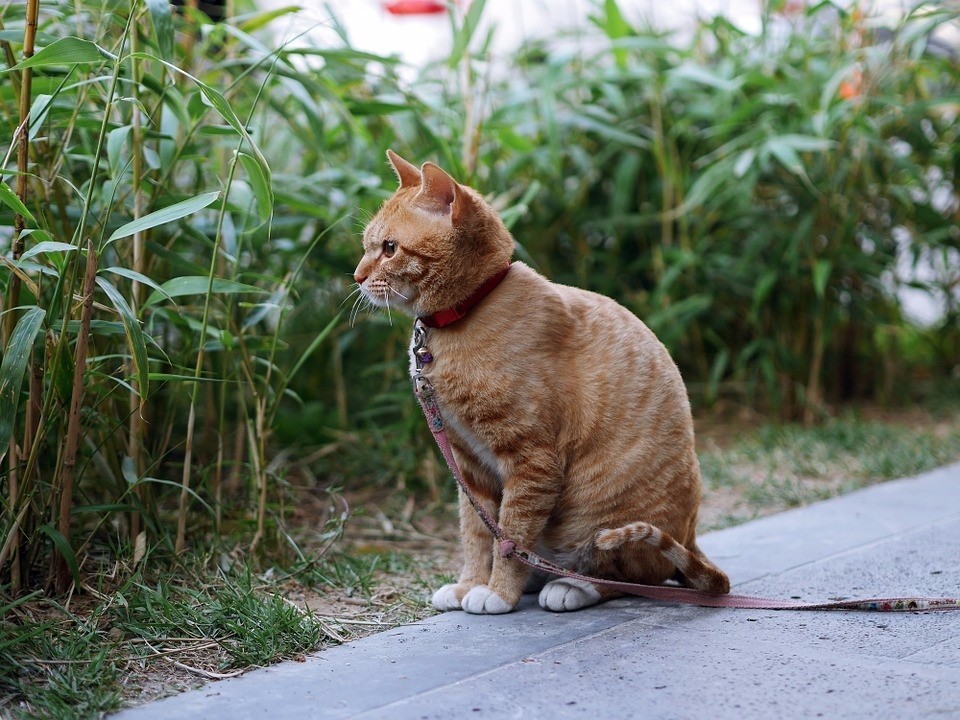
[FamTimes reporter Lee Kyung-han] Mysterious and tyrannical little cats are masters of mood.
Carlo Siracusa, a clinical assistant professor at the University of Pennsylvania School of Veterinary Medicine and a behavioral medicine specialist, told National Geographic that a cat’s mood can be understood through its tail language.
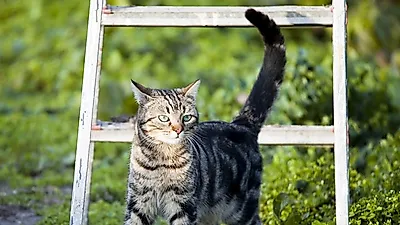
When a cat holds its tail straight up, it signals friendliness. If the tail is tilted at an angle, however, the cat is not threatening but is somewhat unsure.
A straight tail with a curved tip indicates friendliness mixed with uncertainty.
When a cat’s tail flicks high into the air, it means the cat is irritated or angry and wants to be left alone. A swishing tail usually means something is wrong.
A puffed-up tail is a threatening signal.
A twitching tail tip means the cat is concentrating on something that interests it.
Behavioral medicine specialist Siracusa also said that when cats suddenly leap up or dash out from somewhere, they are trying to release pent-up emotional energy.
Once they have burned off all that energy, they will go back to taking a nap.
According to a recent study, cats have at least three facial expressions: “relaxed,” “fearful,” and “frustrated.” Two-thirds of these emotional expressions are negative.
So even if cats may be more charming than dogs, we love these furry little tyrants.
Reporter Lee Kyung-han, fam1@pcss.co.kr
FAM타임스 명의로 발행된 기사를 모아 제공하는 매체 공용 저자 페이지입니다.

Comments 0