
Do Dogs Understand When We Say, “Good Boy” or “Good Girl”?
Dogs respond to human tone, gestures and emotions by forming associations, but they do not understand the literal meaning of words such as “good.”
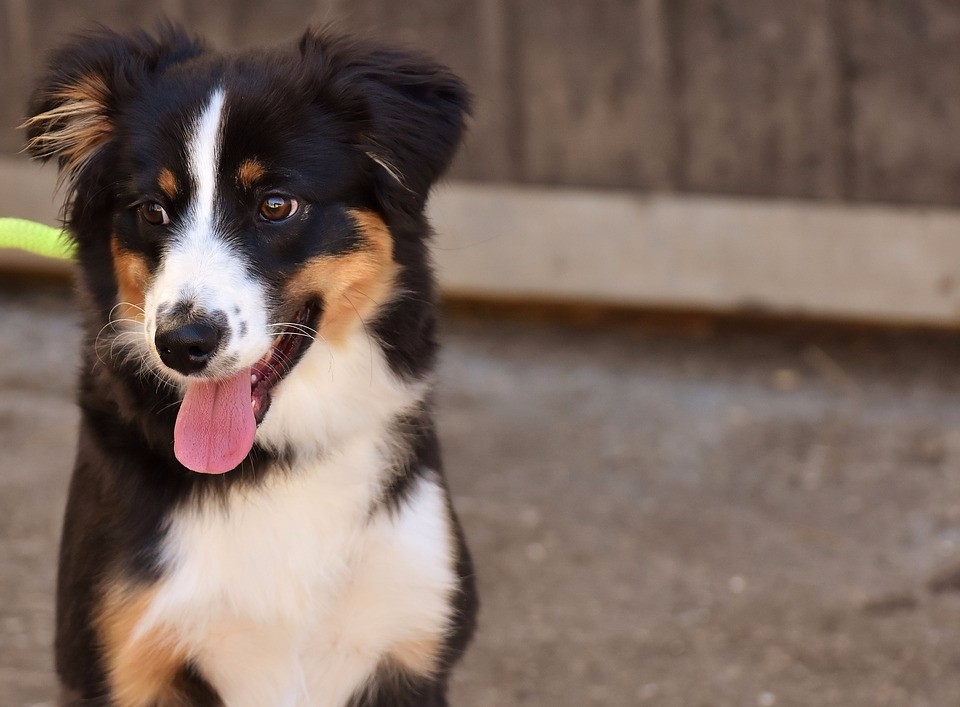
[FamTimes reporter Lee Gyeong-han] Dog owners tend to adore their pets. We often stroke their heads and repeatedly say, “Good boy” or “Good girl.” But do dogs actually understand what “good” means?
Dogs’ minds are known to work differently from human minds. They perceive things in an entirely different way.
When you say, “Good boy” or “Good girl,” your dog does not know exactly what “good” means. What your dog understands is the positive response you are showing it.
Dogs can tell when their owners are happy or sad. Although they can understand your behavior, they cannot understand the language you speak.
When you stroke a dog’s head and speak in a high-pitched voice, it takes this as a cue for what you mean.
Dogs know that their actions make their owners happy, but they are reportedly unable to recognize whether what they did was good or bad.
This is something most pet owners fail to keep in mind, and it commonly arises with puppies that have not been properly house-trained.
If you leave your dog home alone, return from work, discover that it has defecated all over the house and then scold it, the reprimand means nothing to the dog.
It might have understood if you had begun scolding it the moment you entered the house. When there is a delay between two different ways you respond to your dog, it wonders why you are so angry.
Dogs do not “know” things. They merely sense them by associating event A with event B.
If your dog sees that its characteristic doggy smile fills you with delight, it responds to you with the same joy. If it sees that sniffing your shoes irritates you, it can pick up on the negative feelings you give off.
Technology that enables us to understand exactly what dogs are thinking may someday be developed. For now, however, we have little choice but to be content with our dogs’ characteristic smiles and offers of a paw.
Reporter Lee Gyeong-han, fam1@pcss.co.kr
FAM타임스 명의로 발행된 기사를 모아 제공하는 매체 공용 저자 페이지입니다.
Comments 0