
Irritable Bowel Syndrome: Abdominal Pain Lasting Over 3 Months is a Disease, Not Just Simple Stress
Irritable Bowel Syndrome (IBS) is a chronic intestinal disorder characterized by recurring abdominal pain, bloating, diarrhea…

Many people experience recurring digestive symptoms such as abdominal pain, diarrhea, and constipation, but often hear "there is nothing wrong" when they undergo examinations at a hospital. Many people neglect this, attributing it to simple stress or a sensitive personality, but if certain criteria are met, it must be approached and managed as a disease called 'Irritable Bowel Syndrome'.
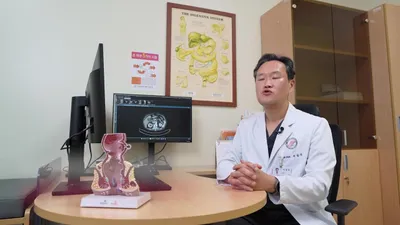
According to a video from the health medical specialty channel HiDoc, Irritable Bowel Syndrome refers to a chronic intestinal disease in which abdominal pain, abdominal bloating, diarrhea, or constipation recur without any special organic causes being discovered through imaging tests such as X-rays or abdominal CT scans. It needs to be distinguished from simple temporary stomach aches. The video explains that if recurrent abdominal pain occurs more than once a week over the last 3 months, accompanied by changes in bowel frequency or stool shape, it can be defined as Irritable Bowel Syndrome.
A complex disease, not simple stress; accurate differential diagnosis comes first
While it is true that stress is a major cause that exacerbates symptoms, it should not be dismissed as merely a psychological issue. This is because Irritable Bowel Syndrome is a disease where not only stress but also intestinal bacterial imbalance, colonic hypersensitivity, anxiety, and depression act in a complex manner. In other words, it should be viewed as a disease accompanied by abnormalities in the digestive system and neurological functions.
In particular, one must be careful not to conclude it is Irritable Bowel Syndrome based solely on symptoms. This is because the outward symptoms can be similar to colorectal cancer or inflammatory bowel disease. If inflammatory bowel disease is mistaken for Irritable Bowel Syndrome and incorrect treatment is continued, there is a risk of missing the appropriate treatment timing or developing serious complications. Therefore, a preliminary process of checking for other organic causes through colonoscopy or blood tests is absolutely necessary.
The importance of intestinal mucosal recovery and the Low FODMAP diet
The treatment of Irritable Bowel Syndrome must involve both drug therapy and dietary habit correction. The video emphasizes the role of the intestinal mucosa. The intestinal mucosa is a protective barrier that protects the body from external stimuli such as food or bacteria, but patients with Irritable Bowel Syndrome exhibit characteristics where intestinal mucosal permeability changes and mast cells are activated due to intestinal bacterial imbalance. As this causes increased intestinal fermentation and excessive gas production, which triggers abdominal pain, restoring intestinal mucosal function and maintaining a healthy intestinal environment is the key to treatment.
In terms of dietary management, the 'Low FODMAP diet' is recommended. FODMAP refers to low-molecular-weight carbohydrates that can be fermented by intestinal bacteria, and they are found in abundance in whole grains, legumes, milk, and carbonated beverages. While it is difficult to avoid all FODMAP foods, it is advisable to limit irritating foods such as coffee, carbonated beverages, and ice cream as much as possible.
Arbitrary discontinuation upon symptom improvement leads to recurrence and drug resistance
Irritable Bowel Syndrome is a disease where symptoms improve gradually. Since both dietary habits and psychological factors must be managed in addition to drug therapy, it may take more than 6 months for symptoms to improve. At this time, many patients judge that their symptoms have improved and arbitrarily discontinue treatment, which is a very dangerous action. The intestinal state that was recovering can worsen again, and if drug resistance develops due to irregular treatment, the treatment period upon recurrence can be much longer than the first time.
Since the disease occurs due to functional problems, symptoms can worsen again even after they have improved completely. Therefore, to prevent recurrence, continuous management such as regular meals, sufficient water intake, balanced intake of various foods, and appropriate exercise and rest is essential. If symptoms reappear, the way to quickly return to daily life is not to endure it but to visit a specialist immediately for early diagnosis.


Comments 0