How to choose, use, and maintain manual and electric coffee grinders for better coffee at home or in a commercial coffee shop.
▲To enjoy delicious coffee made from whole beans, it is important to use a coffee grinder properly (Source: PxHere)
A coffee grinder can be described as a type of mill that grinds and crushes coffee beans. Coffee-grinding tools range from traditional implements once used for the task, such as mortars and millstones, to manual grinders that remain in use today and electric coffee grinders, which have recently become highly popular.
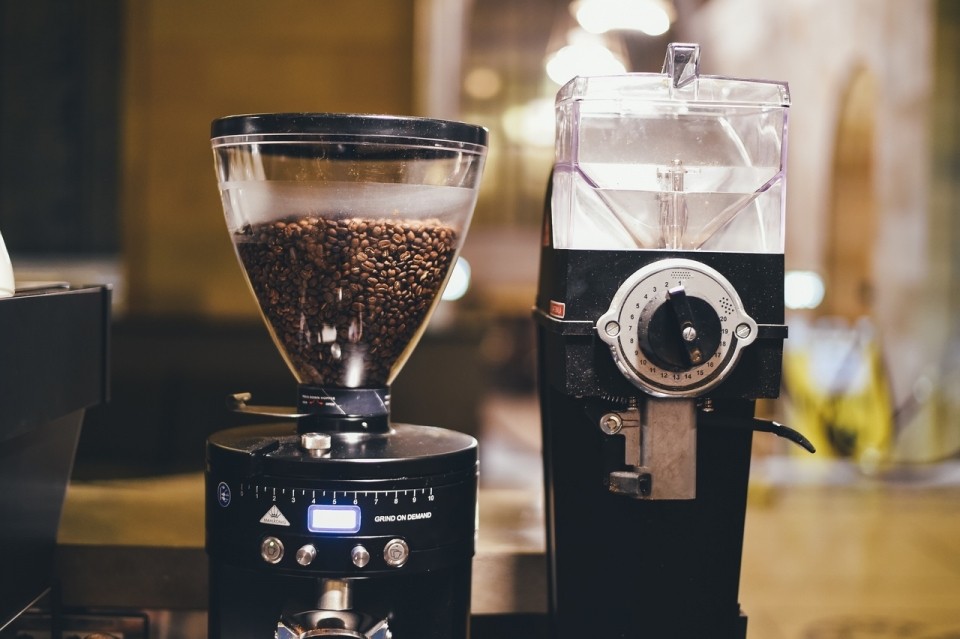
▲Electric coffee grinders have recently emerged, taking much of the effort out of grinding coffee beans (Source: PxHere)
Choosing good beans is important for making delicious coffee, but how well they are ground is also crucial. Coffee grinders are readily available from specialty stores that sell coffee equipment. Electric coffee grinders have recently become highly popular, but manual grinders, also known as hand mills, are still widely used.
Pay Attention to the Grind Even When Using a Coffee Machine
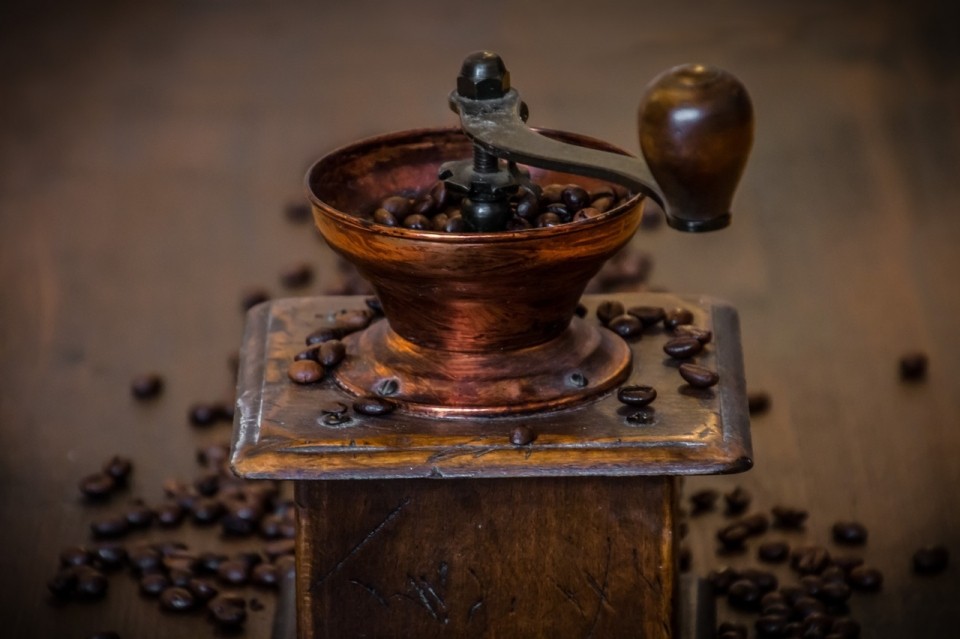
Hand mills are commonly used at home to make pour-over coffee. They come in a variety of capacities, ranging from models for one or two servings to those for nine or ten. Perhaps because of their antique-looking designs, they are also often used as decorations in homes and coffee shops.
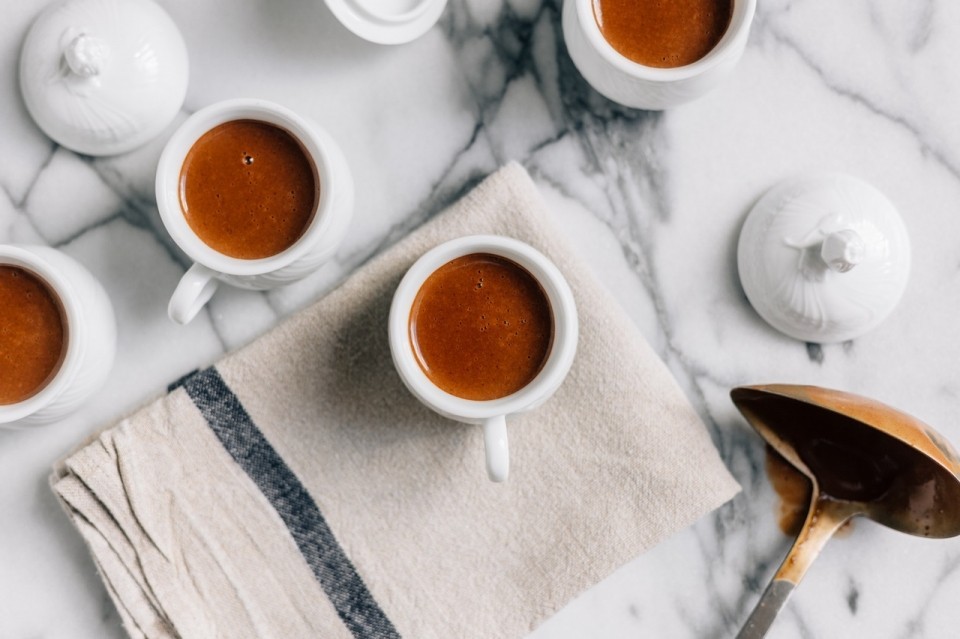
▲Coffee beans need to be finely ground to fully appreciate their flavor (Source: PxHere)
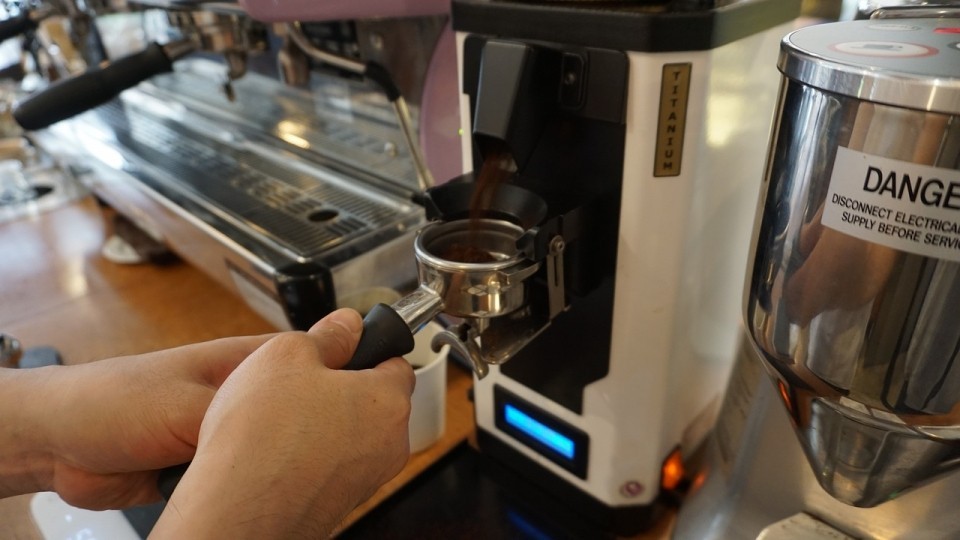
Manual grinders are inexpensive, making them suitable for home use. However, unless used properly, they may produce an uneven grind, and grinding can take a long time, making them unsuitable for coffee shops and other commercial establishments. Coffee shops generally use electric coffee grinders capable of producing the fine grind required for espresso. Commercial espresso machines, in particular, often include this grinding function automatically.
▲Baristas need to be skilled at using a grinder when operating a coffee machine (Source: Pixabay)
In a commercial electric grinder, the motor, hopper, grinder blades, doser, and other components must all operate properly in their designated positions. The hopper holds the coffee beans and usually has a capacity of around 2 kg. The doser stores the ground coffee and must always be kept clean. The grinder blades are the most important components for grinding the beans, and they too must be kept clean and free of foreign matter and rust. Baristas are generally highly skilled at operating coffee grinders. Baristas who know how to adjust the grind intensity and other settings to suit the condition of the beans or modify the flavor can produce delicious coffee. Coffee shop operators should therefore inspect the grinder once or twice a day.
Choose a Manual Coffee Grinder for Enjoying Coffee at Home
A grinder is essential even when brewing coffee at home. Whether using a coffee dripper or a coffee maker, carefully ground beans from a coffee grinder should be used. If you want to take your time and enjoy a small amount of coffee, it is best to grind the beans with a manual hand mill before brewing. Grind carefully until the particles are very fine. Checking the consistency little by little as you grind is also a good approach.
▲When grinding coffee, take proper care of both the equipment and the ground beans (Source: PxHere)
Carefully place the finely ground beans into the coffee maker's filter. Do not leave ground coffee exposed to the air or direct sunlight for long, as it may oxidize. Grinding the beans immediately before brewing is the best way to enjoy the flavor of coffee. You can buy a good coffee grinder online based on recommendations, but it is also advisable to visit a coffee equipment store in person and inspect its design and condition.




Comments 0