
Canada Cat Shelter Tour: 400-Capacity Facility and Community-Linked Operations
A video from the 'Timon and Pumbaa X Pocketmeong GO' channel showcases the unique operational philosophies and community-integrated welfare systems of cat…

Animal shelters in Canada are operating as welfare hubs closely connected to the local community, going beyond simply finding animals homes for adoption. According to a video from the 'Timon and Pumbaa X Pocketmeong GO' channel, the cast members who recently visited Canada toured local cat shelters and observed operational philosophies and systems that differ from those in Korea.
"Different from facilities with 80% adoption rates"... An operational philosophy emphasizing post-adoption care
The cast members in the video explained that while some large-scale shelters focus heavily on adoption, with daily adoption rates reaching as high as 80%, the direction they pursue is different. Their position is that it is difficult to enter into agreements with facilities that are only preoccupied with same-day adoptions without ensuring post-adoption care, regardless of how good the facilities are. This demonstrates an operational policy that prioritizes the lifelong welfare of the animals.
The first cat shelter visited in the Vancouver area had the capacity to accommodate approximately 400 individuals. This place provides space not only for animals brought in for the purpose of adoption but also for animals that are difficult to adopt to stay for their entire lives. The video captures the cats living naturally within the shelter, along with the operation of the Adoption room. In particular, the cats here are provided with environments tailored to their individual characteristics, such as living without using litter.
A 'self-sustaining structure' operating shelters with veterinary clinic profits
A notable aspect of this shelter was its economic self-sufficiency structure. The shelter operates a non-profit veterinary clinic alongside its activities and reinvests the profits generated there into shelter operating costs. Furthermore, it shows a model of coexistence with the local community by providing medical services that help local residents. The cast member expressed amazement at the scale and systematic operation of this facility, which has a 30-year history, calling it "an amazing place." The shelter operates a veterinary clinic for professional treatment, establishing a virtuous cycle where the profits from the clinic are used to run the shelter.
The shelter does not stop at merely housing animals; it also deploys professional management personnel. In particular, staff members called 'Socializers' perform professional roles to help the cats' socialization. They fulfill a professional role in helping timid cats become friendly with people. Additionally, they actively receive item donations from the local community and even serve as a 'food bank' by distributing food to local residents in need, practicing community-integrated welfare.
A community-based shelter with 26 years of history, "A place maintained by volunteering"
The second shelter visited has a history of approximately 26 years, having grown from a basement to its current scale. This place also relies heavily on support and donations from the local community. Through conversations with local officials, the cast members confirmed vaccination costs ($22) and donation amounts, learning that the local residents are deeply connected emotionally, such as by drawing pictures or writing letters. The shelter is operated through the support of the City along with donations from citizens.
A characteristic part of its operation is the 'Foster' system. Currently, about 200 cats are in foster care, and the system supports them so they can be adopted as quickly as possible. Furthermore, a regular volunteer system is well-established, where members of the local community participate in the shelter's operation for about 2 to 3 hours once a week, naturally. The cast member highly praised the local systematic management and community participation, saying, "It would be great if we could introduce such a volunteer system too."
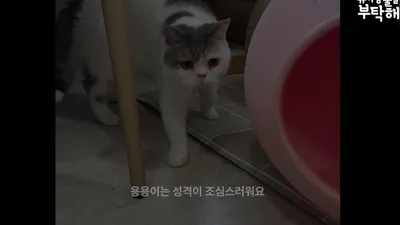
Inside the shelter, spaces for checking the cats' health status and isolation areas were separated, and meticulous management facilities, such as isolation rooms for cats with diarrhea symptoms, were also confirmed. The video shows a cat named 'Bokkeumbap,' who has diarrhea symptoms but is in good condition, being isolated and managed. The shelter continues systematic individual management by closely checking the hygiene inside the cages and the condition of the cats.


Comments 0