
What to Know Before Helping a Lost Bird
How to distinguish nestlings from fledglings, wait for a parent bird, and know when to contact a wildlife rescue center or veterinarian.
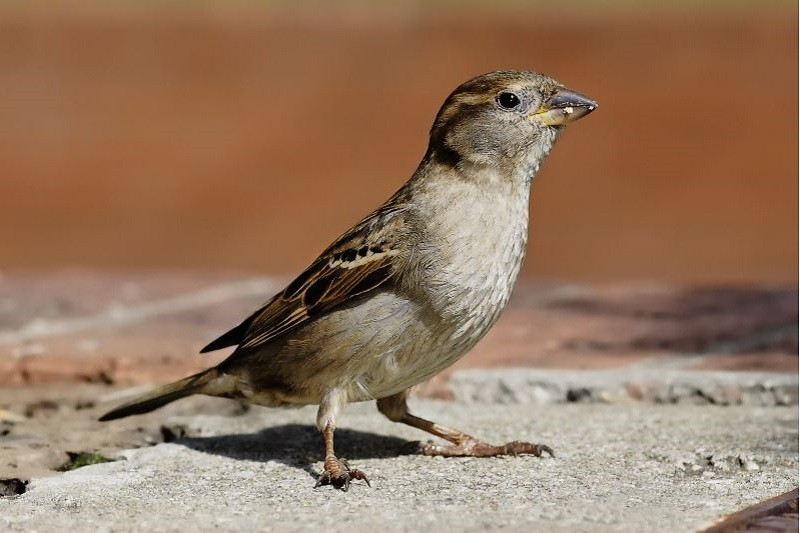
Luevano noted, “It is not advisable to raise baby birds or wild animals. It is also illegal in many U.S. states.” If you see a baby bird on the ground, you should contact a licensed rehabilitation center or a nearby veterinary clinic.
It is also important to remember that different species of birds require different foods and living environments. Birds can carry diseases and may harm humans. However, if circumstances leave you no choice but to rescue one, you should at least be able to distinguish between a young bird that is not yet ready to leave the nest and one that has just begun to fly.
Luevano explains, “The former usually has no feathers or only a few, while the latter is fully feathered and may move its wings a little.” Some baby birds bravely jump from the nest even though they are not yet ready to fly. However, they need to come down to the ground to learn how to hop and hunt. Young birds are usually not alone, and their mother is often watching from nearby.
Before taking in a lost baby bird, carefully check whether its mother is nearby. If she does not appear within an hour, contact a wildlife rescue center or veterinary clinic. It is best to keep watching the baby bird while you wait. Brittany Crans, a rehabilitator at the California Wildlife Center, explained, “The mother often flies in for just a moment to feed the chick before flying off to hunt again.”
[FamTimes = Reporter Cho Yoon-ha]
FAM타임스 명의로 발행된 기사를 모아 제공하는 매체 공용 저자 페이지입니다.

Comments 0