
How pediatric kidney dialysis patients enjoy traveling with mobile dialysis equipment and medical staff
The '2026 National Kidney Camp for Children and Adolescents' provided pediatric kidney dialysis patients a chance to travel and make memories under…
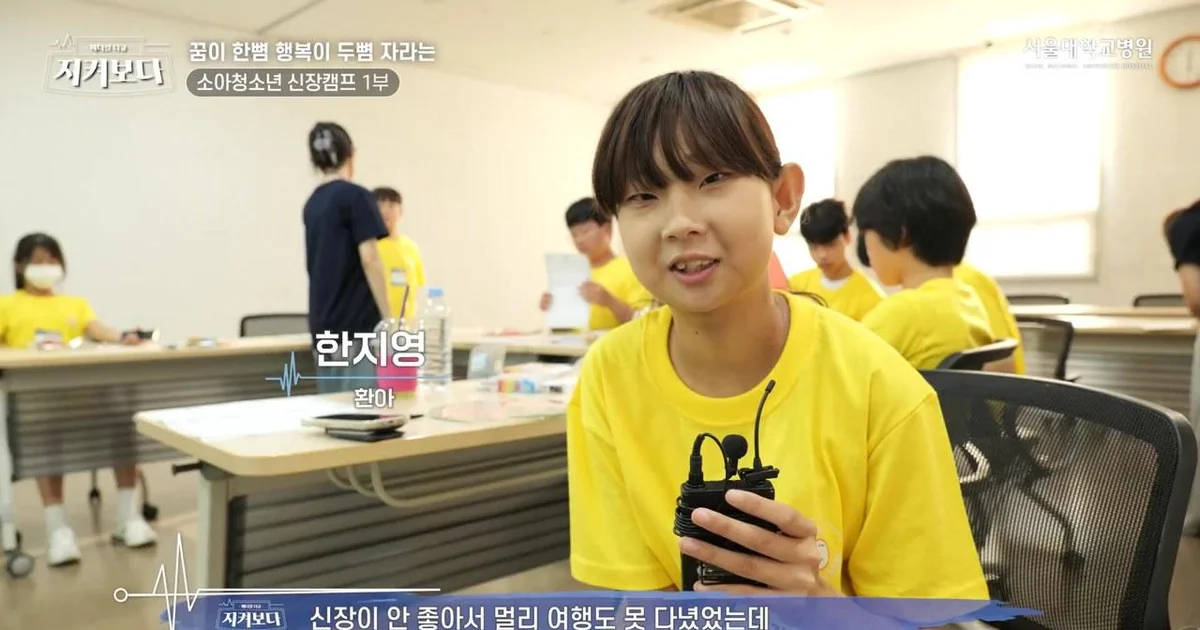
Children who found it difficult to even dream of an ordinary trip due to daily repetitive dialysis treatment and strict dietary management have gathered in one place. The '2026 National Kidney Camp for Children and Adolescents' hosted by Seoul National University Children's Hospital is an event organized so that pediatric kidney disease patients undergoing dialysis can break free from the constraints of their illness and build joyful memories.
According to a Seoul National University Hospital TV video, this camp is held in cooperation with the Hyundai Motor Chung Mong-Koo Foundation and the Korean Society of Pediatric Nephrology, and any child undergoing dialysis can participate regardless of the hospital where they receive treatment. The children stayed at the Mungyeong Injaewon for 3 days and 2 nights, starting a safe journey under the meticulous protection of professional medical staff, including doctors, nurses, pharmacists, nutritionists, and social workers, along with mobile dialysis equipment.
Special water play and activities that transcend the constraints of pediatric dialysis patients
For children suffering from kidney disease, playing in the water is an activity they cannot easily enjoy in their daily lives. An interviewee in the video mentioned that "dialysis patients find it difficult to go to swimming pools or the sea," noting that children can feel emotionally hurt regarding contact with water. To resolve this, the camp organized programs so that children could enjoy water play safely while equipped with protective gear.
While the medical staff closely monitored them, the children released their energy through water gun fights and water play. One guardian shared that "this is the only time during the year we can play in the water together," stating that the children had been waiting for water play the most. The children showed their joy, saying, "It was fun because I was with Mom, Dad, and the teacher." In particular, the video captured scenes of an older child enjoying themselves enough to get into a water bucket and a second child feeling proud while playing in the water for the first time in a long while.
Customized low-sodium and low-potassium meals that solved the difficulty of dietary management
For pediatric dialysis patients, meals are an extension of their treatment. Since phosphorus (P) levels must be controlled, caution is required regarding the intake of frozen or processed foods, and the intake of items such as potatoes may be restricted to control potassium. In the video, children directly expressed the difficulty of dietary management, saying, "I want to eat ramen, but I have to get permission from Mom."
To solve these difficulties, a professional nutritionist participated in the camp. The nutritionist consulted with the Injaewon cafeteria in advance to design a low-sodium and low-potassium menu. Thanks to the customized meals composed by considering even the electrolyte levels of the patients, the children were able to fully enjoy the pleasure of eating during this trip. The five meals meticulously prepared by the nutritionist served to recharge the children's energy along with delicious dinners.
Courage gained by families sharing the same pain
Beyond just a time for playing, this camp served as an opportunity for families experiencing the same disease to confirm each other's existence and gain emotional support. The video captures children breaking the ice by playing games together, and parents forming a sense of empathy by sharing their experiences and information. Through games, children grew closer by shouting, "Teach me," and parents gained the strength to overcome the disease by meeting families in similar situations.
The interviewee explained, "The purpose is to show that even dialysis patients can travel and lead an enjoyable life," and noted that meeting families in similar circumstances is a great help in overcoming the disease. Furthermore, for children who have many restrictions on going out because they must strictly adhere to dialysis times of between 12 and 13 hours, this camp provided an opportunity to remain as a precious childhood memory. The video concludes by delivering hope through the moments of the 3 days and 2 nights where the children laughed and enjoyed themselves together.
Comments 0