
Alpacas: Soft Coats, Characteristics and Habits
Discover alpaca breeds, soft coats, physical traits, social nature, humming, spitting and unusual communal toilet habits.
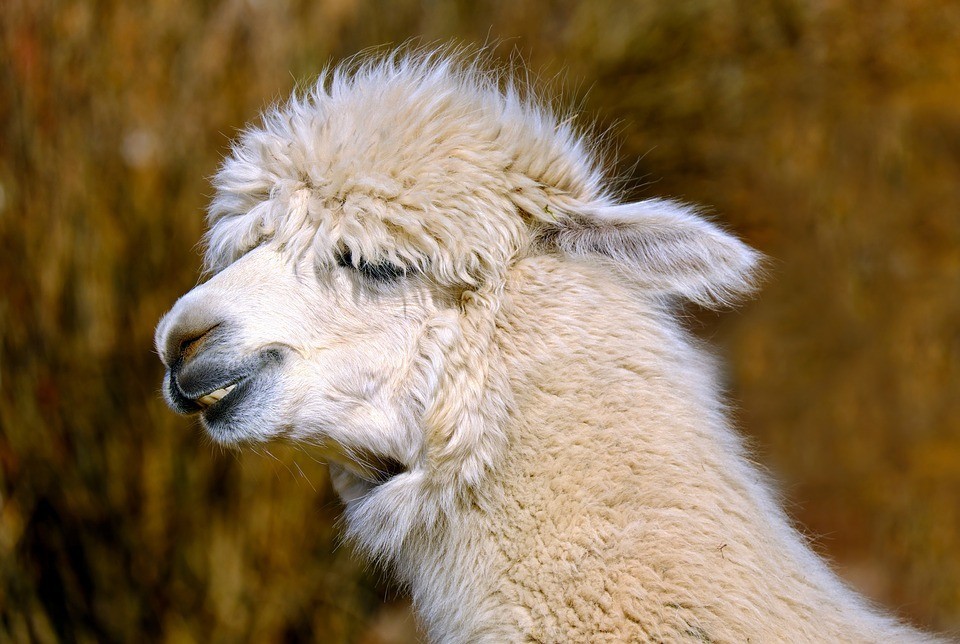
Alpacas are herbivores that mainly eat plants such as grass, trees and bark. Alpacas are highly prized for their distinctive soft wool, and some are raised as livestock or pets.
They resemble llamas, which also belong to the camelid family in the order Artiodactyla. Llamas are domesticated forms of the vicuña and guanaco, ruminants native to the Andes, and do not exist in the wild.
According to alpaca breeder Phil Switzer, alpacas are divided into two breeds: Huacaya and Suri. Huacayas are more commonly seen. The only differences between the two breeds are the texture and length of their coats: Suris have soft fibers that form long, twisted strands, while Huacayas have shorter, curlier coats. Alpacas also come in as many as 22 colors, including brown and white.
Their average height at the shoulder is about 90 cm, though they can grow up to 210 cm tall. They weigh approximately 63 kg. They adapt well to different climates and live in countries including the United States, Australia, New Zealand and the Netherlands.
They are also highly social animals. With proper training, their gentle yet curious nature can make them excellent pets. Even the humming sounds they make are considered among the most soothing sounds.
However, they have a habit of spitting at others when they feel distressed or threatened. Alpacas also spit at one another, particularly when competing over food or dominance. They tend to scream when fighting as well. Nevertheless, they establish and follow their own rules. Unlike other animals that relieve themselves in various places, alpacas reportedly share communal toilets. Females even have the unusual habit of lining up and relieving themselves together at the same time.
FAM타임스 명의로 발행된 기사를 모아 제공하는 매체 공용 저자 페이지입니다.

Comments 0