
Gongju Travel: Baekje History and Modern Youth Coexist Across the Geum River
Gongju, Chungnam, features a unique urban structure where the history of the Baekje Ungjin era and modern vitality are clearly divided by the Geum River.

Chungnam Gongju possesses a unique urban structure where the breath of the past and the vitality of the present are clearly distinguished around the Geum River. South of the Geum River, the history of the Baekje Ungjin era from 1,500 years ago and the warmth of the modern era remain, while north of the Geum River, a contemporary space filled with the energy of university districts and new downtown areas unfolds. According to a Culture Portal video, Gongju is described as a city that, instead of erasing the old to build the new, has steadily stacked today's culture upon the layers of time.
From Gongsanseong Fortress, the Guardian of Baekje, to Sanseong Market, Where the Warmth of Life Resides
The first place you encounter in the historical space south of the Geum River is Gongsanseong Fortress, the royal fortress of the Baekje Ungjin era. Gongsanseong Fortress preserves the history of the time when Baekje moved its capital to Gongju (Ungjin) to avoid invasions from Goguryeo, and it was listed as a UNESCO World Heritage site in 2015 along with the Tomb of King Muryeong. Walking along the fortress wall path allows for a panoramic view of the Gongju city landscape, and it is used as a familiar walking trail for citizens.
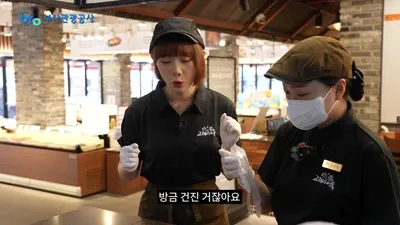
Located at the foot of Gongsanseong Fortress, Sanseong Market is a local site that has supported the lives of local residents. The video conveys the simple and resilient history of the common people here, introducing the warm affection of life through market foods such as banquet noodles (janchi-guksu), which are characterized by a deep anchovy broth.
The Boarding House Culture of Jaemincheon Stream Alleys and Singwan-dong Reached via the Geumgang Railroad Bridge
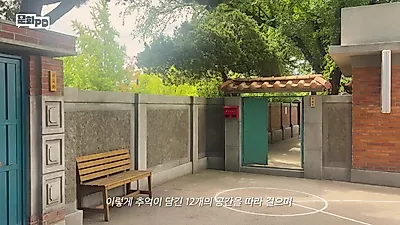
Walking along the waters of Jaemincheon Stream, you can encounter the Banjuk-dong boarding house village, which holds the memories of international students from the 1980s. This is a space where past memories and modern sensibilities coexist. In particular, a space containing the literary sensibility of poet Na Tae-joo is prepared near Jaemincheon Stream. Inside the literary museum, various programs are operated in which visitors can directly participate, such as word puzzles using poems, making stamp postcards, and writing a line of poetry.
To pass through the spaces of the past and move into modern Gongju, one must cross the historic Geumgang Railroad Bridge, which was constructed in the 1930s. This bridge serves as a symbolic passage leading from the history of Baekje toward modern youth. Singwan-dong, reached after crossing the bridge, represents the modern face of Gongju, where university districts and new downtown areas have formed. Gongju shows the characteristics of a city that does not remain in the past, but where history and the present constantly breathe together to create new culture.

Comments 0