
Orcas Are Not Ferocious
Orcas are selective predators threatened by pollution, oil spills, live capture, and prolonged confinement in small aquarium tanks.
[FamTimes reporter Lee Kyung-han] Most people, especially children, enjoy seeing marine life.
This is one reason aquariums have become so widespread.
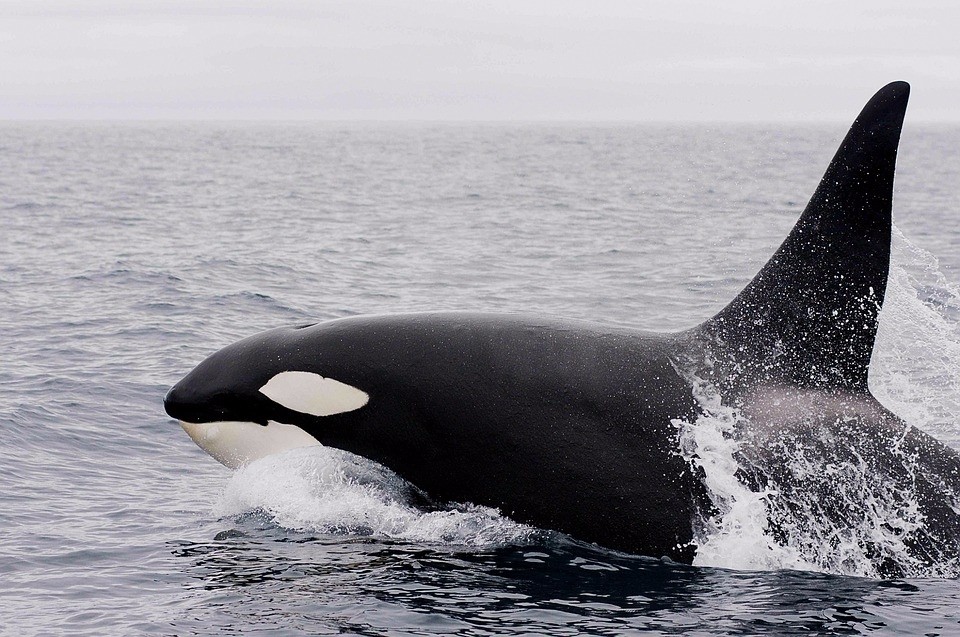
One marine mammal we often see at aquariums is the orca, nicknamed the killer whale. The largest member of the dolphin family, it eats fish, seals, and other cetaceans.
Orcas are notorious for eating other whales. In fact, however, they are not ferocious. Orcas are simply picky eaters; once they begin eating a certain type of prey, they do not switch to another.
Reading about orcas makes it clear that orcas confined in small tanks that restrict their movement are not at fault.
Orca populations are not yet endangered. But they may soon become so.
The only threats orcas currently face are ecological pollution and biological contamination of their habitats, oil spills, and live capture.
The 1983 incident involving an orca named Tilikum still lingers in our minds. People think orcas will harm anything and anyone, but this is not true. Orcas are captured by people and kept in confined spaces for long periods. They are then trained to perform tricks for people. It is difficult to tame wild animals that once lived in the wild. So what might people have done to teach them these tricks?
Leaving living creatures undisturbed in their natural habitats is an entirely ordinary idea and a principle that should always be upheld.
Reporter Lee Kyung-han fam1@pcss.co.kr
FAM타임스 명의로 발행된 기사를 모아 제공하는 매체 공용 저자 페이지입니다.

Comments 0