
The Impact of Subterranean Termites and How to Protect Your Home
Prevent subterranean termite damage by controlling moisture, clearing wood and vegetation, sealing gaps, and seeking professional help.
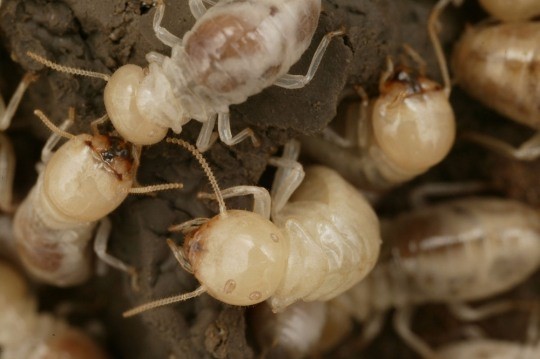
[FamTimes reporter Park Joo-hye] Termites are generally known to favor things made of wood, but some termite species also prefer materials other than wood.
Subterranean termites, for example, build their habitats in the soil, and this species prefers damp conditions.
Homes located near water can therefore provide an ideal environment for subterranean termites. Wood connecting the ground to a house can also provide a route for termites to enter the building.
While seeking moisture and food, these termites crawl through cracks in the concrete foundation and collect the materials needed to build mud tubes for foraging.
To prevent subterranean termites from eating away at your home, keep the following precautions in mind.
Do not leave tree stumps, vines, or stacked firewood around the house.
To minimize moisture inside the house, repair leaking pipes and clear out gutters connected to the eaves so that water can drain properly.
Make sure the area beneath the house is properly ventilated, or remove any landscaping that could cause moisture to accumulate in ceiling spaces containing plumbing.
To protect the roof, cut back branches that touch it and trim them so that they do not come into contact with wooden eaves or window frames.
Regularly inspect the home's doors and windows and seal any gaps that develop.
Repair any poorly sealed areas where electrical conduits or pipes enter the house from outside.
If you discover termite damage or believe there are termites in your home, it is advisable to consult a professional pest-control company or specialist.
Reporter Park Joo-hye, fam1@pcss.co.kr
FAM타임스 명의로 발행된 기사를 모아 제공하는 매체 공용 저자 페이지입니다.
![[Room Makeover] Is Furniture the Key to Studio Apartment Interiors? …Recommended Furniture for One-Person Homes](https://img.famtimes.co.kr/famtimes/2026/09/c27d3ceb-12bf-4e75-8ee3-c41604e3833b-76e77e40-thumb.webp)
Comments 0