
Tips for Making the Most of a Small Space
Make a small room feel larger with light colors, mirrors, smart storage, unobstructed windows, and thoughtfully arranged multipurpose furniture.
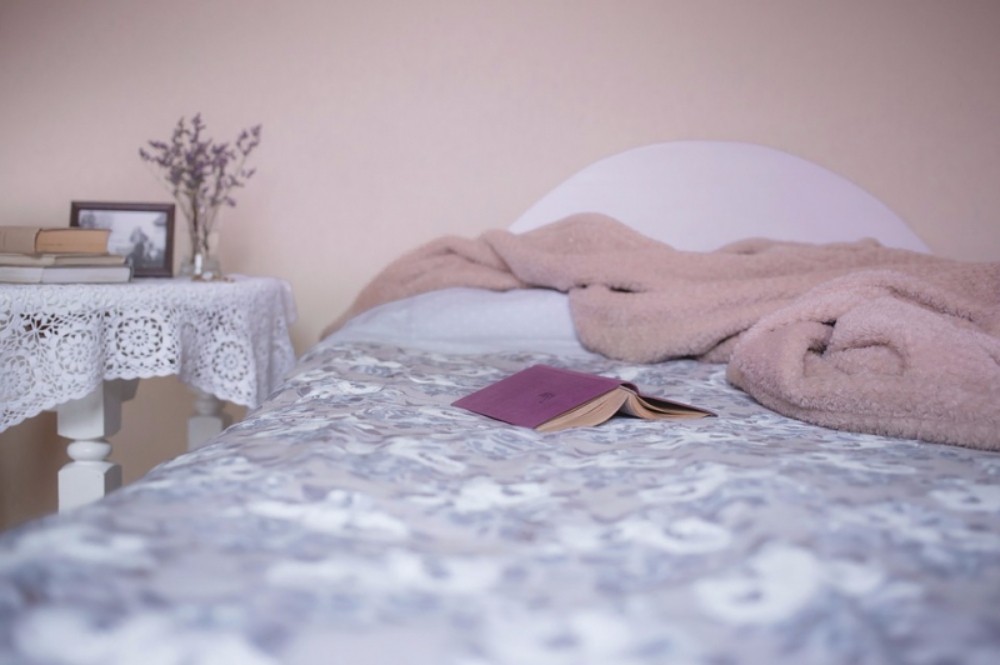
[FAM Times reporter Kang Gyu-jeong] Interior design options suitable for a small room are limited. However, with a little creativity and know-how, it can be transformed into a special space that feels larger than it really is. Here are a few ways to do so.
Use neutral colors. Painting a room in light colors can make it look more spacious. White is a safe choice, but there is no need to paint every surface white.
Shannon Vos, who runs “Vos Creative,” said, “Painting the walls and floor in light colors makes the space appear larger, but the room’s atmosphere and the texture of the walls are even more important.”
Consider adding lettering to a wall. Painting a room in just one color can make it look small and feel dull. Choosing a striking phrase and writing it on the wall can create a sophisticated atmosphere.
You can also add a distinctive color or pattern. You could paint only the wall bearing the phrase in a deep, dark color. This will create an optical illusion that makes the room look longer and wider. It can transform the room into a reflection of your values and personality.
Mirrors are another useful option. They create a sense of depth and make a room look larger. Mirrors also reflect sunlight entering through the windows, making the room brighter.
They can amplify the natural light entering the room several times over and fill the space with it. Mirrors are highly useful interior design tools, but take care not to overuse them, as too many can make a room look cluttered.
You can also add lettering to the ceiling. Instead of putting a phrase on a wall, try placing it on the ceiling. This creates the illusion of a higher ceiling. You can also decorate the ceiling with a deep color or texture.
Make the most of the space beneath the bed. You can store clothing there, but do not fill it with every miscellaneous item you own, as that makes cleaning difficult.
Consider installing a shelf above the head of the bed. If there is not enough room beneath the bed, you can mount a shelf overhead. Secure it and decorate it with books, framed pictures, and other items. A shelf or chest of drawers can also be placed beside the bed and used as a nightstand.
Keep window decorations as simple as possible, and avoid placing anything near the windows. Large, unobstructed windows allow more light into the room.
If you still want to decorate them, install light-colored curtains, but keep them open during the day to let in the light. Shannon advises, “Nothing works better than lighting when it comes to creating a great room.”
When planning the furniture layout in a small room, do not automatically try to reduce the size of every piece of furniture and every decorative item. The smaller the decorations are, the smaller the room can appear. A room with no decoration looks stark and lifeless.
Choose appropriately sized furniture and arrange it thoughtfully. A room should be a place for relaxation. Its apparent size can change depending on how the furniture is arranged.
It is a good idea to use one piece of furniture for several purposes. Better still, choose furniture designed to serve a dual purpose. For example, a shelf can also be used as a “headboard” above the bed.
A cabinet can hold not only clothes but also wallets, bags, and other belongings. Simply add hooks to the cabinet.
Maximize the use of space while choosing ideas appropriate for the room’s size.
Reporter Kang Gyu-jeong, fam7@pcss.co.kr
FAM타임스 명의로 발행된 기사를 모아 제공하는 매체 공용 저자 페이지입니다.
Comments 0