
How Cats Came to Rule Social Media
From ancient pest control to royal reverence and Viking voyages, cats followed human trade routes before becoming social media stars.
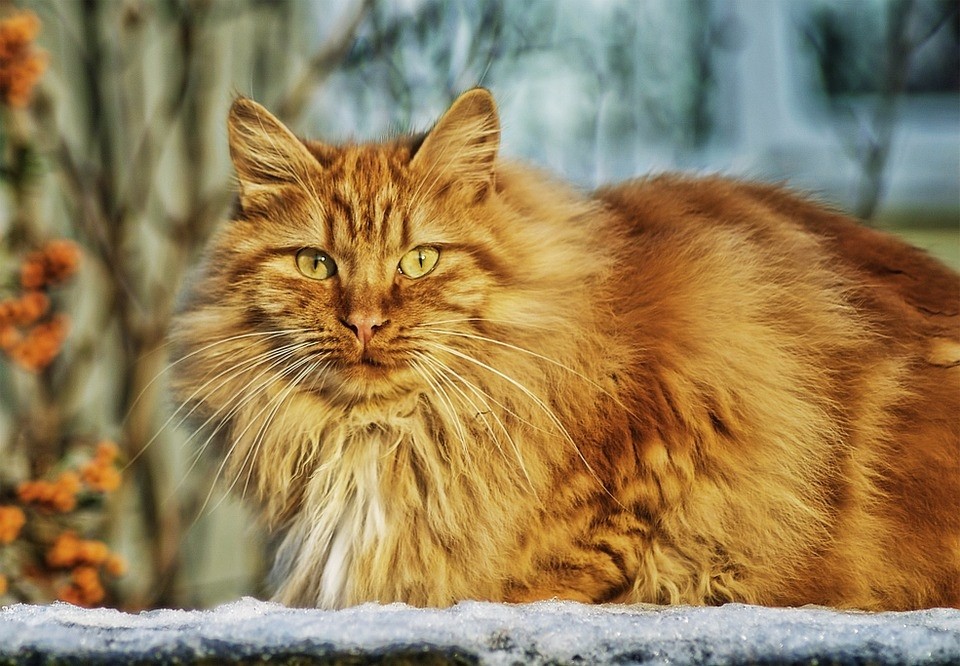
[FamTimes reporter Lee Kyung-han] Today, cats are internet animal stars that command enormous attention on social media. They have long held a place in history and have even been worshipped.
Eva Maria Geigl is a writer with extensive knowledge of feline history.
Geigl said, “To understand what cats are really like, we need to go back to ancient times and analyze them.”
Cats were widely domesticated, particularly in the Fertile Crescent and Egypt.
People initially domesticated cats to catch mice that ate the food they had acquired through trade.
In return, cats obtained food, while humans were able to conduct trade successfully and with ease. It was a win-win strategy.
Geigl explained that humans were happy because there were fewer rodents, while cats were happy because they had food to eat.
Cats were revered by Egyptian royalty to such an extent that the Egyptian goddess Bastet had the head of a cat. She even set aside space in the palace for cats to stay.
Cats also found a place aboard Viking ships. Once again, their role was to catch mice that damaged food supplies intended for trade.
Geigl said, “Looking at this pattern, cats are closely linked to human mobility—along routes of war and trade, as well as most maritime routes. During this period, cats were highly useful and appealing animals to people.”
Cat breeding did not exist until the Middle Ages. It emerged when people began to take an interest in the beauty of cats’ appearance.
Breeding was selective at the time, as recent evidence suggests that domesticating cats during the Middle Ages was not easy.
People were utterly captivated by cats, and not much has changed today. Cats are everywhere on the social media platforms we use.
Reporter Lee Kyung-han, fam1@pcss.co.kr
FAM타임스 명의로 발행된 기사를 모아 제공하는 매체 공용 저자 페이지입니다.

Comments 0